
Research at the heart of learning
Research comes to life in the classroom at The University of Manchester.
Gain first-hand experience of the criminal justice system while making a positive contribution to the lives of people in prison

The Bridge: Stitching Opportunities offers final-year Criminology students a unique opportunity to take part in experiential learning within a prison environment.
Through this initiative, students spend time in prison supporting people in prison as they work towards a qualification in textiles. This provides students with an opportunity to apply their academic knowledge in a real-world setting, engage with people involved in the criminal justice system, and gain a deeper understanding of prison life and rehabilitation.
By participating in this initiative, students can:
- gain first-hand experience of the prison environment, interact with criminal justice practitioners, and develop their understanding of the criminal justice system;
- support people in prison in developing new skills and working towards educational qualifications;
- develop valuable employability skills, including communication, teamwork, and problem-solving;
- connect their academic learning with practical experience, strengthening their preparation for future careers.
The Bridge: Stitching Opportunities allows students to make a meaningful contribution to prison education while developing the professional and interpersonal skills that will support their future careers.
Expand your network and enrich your experience with a placement opportunity
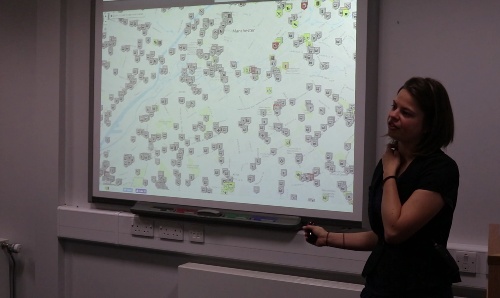
Criminology students have the opportunity to apply for a paid Q-Step fellowship during the summer between their second and third years of study.
These fellowships allow students to put the quantitative research and data analysis skills they have developed during their degree into practice, working on real-world projects alongside experienced professionals. Previous placements have included organisations such as the Home Office, Ministry of Justice, Probation Service and College of Policing.
Through these internships, students can:
- apply their research and data analysis skills to complex, real-world challenges;
- gain first-hand experience of working in government, criminal justice and other professional organisations;
- develop professional networks and explore potential career paths;
- strengthen their CVs and develop valuable skills for future job applications and interviews.
Q-Step fellowships offer an opportunity to connect academic learning with professional practice, helping students develop new skills and prepare for their future careers.
Find out more about Q-Step fellowships.