
Our projects
A diverse array of projects is currently underway at the Manchester Urban Ageing Research Group (MUARG), aimed at both understanding and improving the lives of older people in urban environments.
Our research spans several key areas, including the impact of the cost-of-living crisis on older ethnic minority communities, the role of faith-based organisations in fostering age-friendly communities, and participatory approaches to community change in neighbourhoods undergoing urban regeneration. Through these interdisciplinary efforts, MUARG aims to enable policies and practices to support healthy ageing and enhance the quality of life of older people in cities.
Current projects
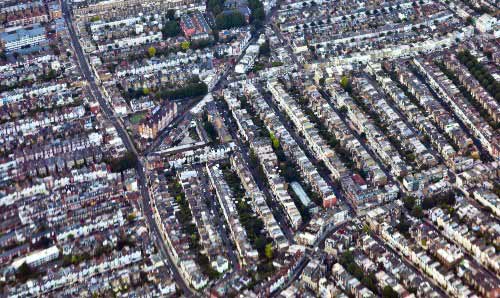
Ageing in Place in Cities
Explores how diverse ageing populations experience urbanisation and ageing in seven global cities using interdisciplinary approaches.
.jpg)
Uncertain Futures
Investigates work-related inequalities affecting a diverse range of women over 50 in Manchester using art and research.
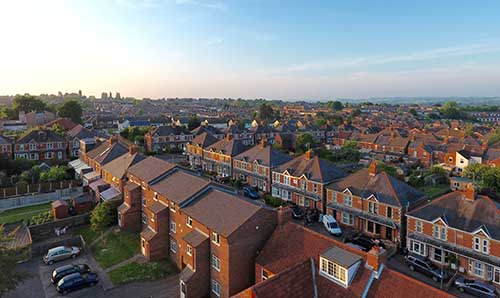
Co-creating Age-Friendly Social Housing
Collaborates with older residents and housing providers to improve ageing in place experiences through participatory action research.

The Role of Faith-Based Organisations in Developing Age-Friendly Communities
Examines the contributions of faith-based organisations to age-friendly communities through innovative policy partnerships.
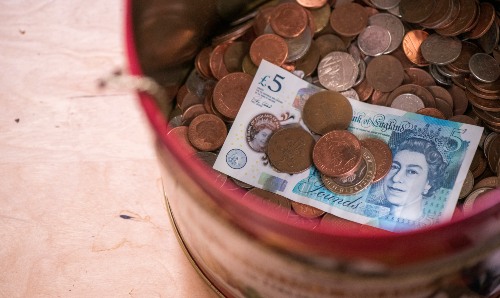
The Impact of the Cost-of-Living Crisis on Older Ethnic Minority People in Greater Manchester
Analyses how the cost-of-living crisis affects older ethnic minority communities in Greater Manchester, focusing on financial security.
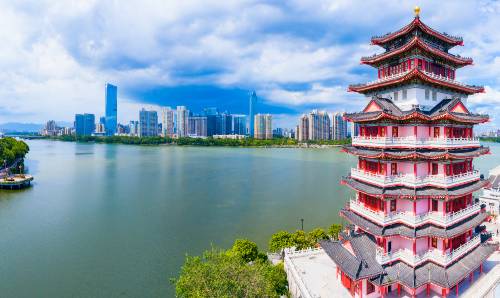
Grandparents on the Move
Studies the impact of urban migration on grandparenting roles and wellbeing in post-one-child policy China.
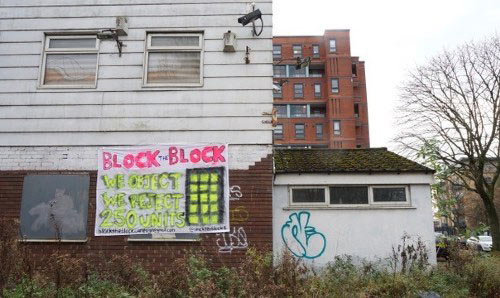
HOMeAGE
Investigates ageing in regenerating neighbourhoods using participatory approaches to community change and interdisciplinary research.
.jpg)
Wellbeing in Later Life in Bradford (WeLL-Bradford)
Examines factors influencing wellbeing in later life among diverse groups in Bradford, focusing on care transitions.
Previous projects
Our previous projects have explored a wide of topics, including age-friendly cities and communities, experiences of ageing in place, ethnic inequalities in later life, and the social exclusion faced by older people in urban settings. We have also focused on urbanisation and ageing in the Global South, coping with loneliness in later life, and assessing the suitability of housing for older people. Through these diverse projects, MUARG has contributed valuable insights and evidence to support healthy ageing and enhance the quality of life for older adults in cities.
- Beyond older age: Approaches to understand the diverse lives of older people: Helped researchers and policymakers make Greater Manchester more age-friendly through innovative participatory methods.
- Manchester Age-Friendly Neighbourhoods: Collaborated with residents to assess and enhance the age-friendliness of neighbourhoods in Manchester.
- Developing the ‘Village’ Model in Manchester: Supported ageing well within communities by adapting the Village model through participatory approaches.
- Developing Age-Friendly Cities: Explored perceptions of age-friendly developments by policymakers, practitioners, and older people.
- Ambition for Ageing: A £10 million programme to develop Greater Manchester age-friendly communities.
- Cross-National Study of Age-Friendly Cities: Shared local experiences in developing age-friendly environments across various global cities.
- Wellbeing of Older People in China and UK: Examined the socio-cultural participation and wellbeing of older people living in China and the UK.
- Growing Older in Collyhurst: Focused on the Victoria North urban regeneration project in Collyhurst, North Manchester, to design age-friendly social housing.
- The Experience of ‘Ageing in Place' Over Time: Explored how older people’s relationships with place evolve over time through longitudinal studies.
- More-Than Older Age: Making Sense of Place: Researched the lived experiences of older people to understand the relationship between place and ageing.
- Rightsizing: Investigated the lack of suitable homes for older people and the impact of staying put until a crisis.
- Green Infrastructure and Wellbeing in Later Life: Studied how green infrastructure and public spaces influence health and wellbeing in later life.
- Urbanisation and Ageing in the Global South: Researched the wide-ranging impacts of urbanisation on ageing populations in the Global South.
- Maximising the Benefits of Passivhaus: Provided recommendations for older occupants to adapt to living in Passivhaus dwellings.
- Daylighting in Older People’s Housing: Highlighted the importance of daylighting design to improve the lives of people with sight loss.
- Care Provision Fit for a Future Climate: Examined the suitability of care homes and other facilities for older people in light of future climate conditions.
- Conditioning Demand: Investigated thermal experiences in an ageing society and implications for energy consumption.
- EVOLVE Tool: Evaluated how well a building can support older people’s physical and personal wellbeing.
- Experiences of Older People During COVID-19: Investigated inequalities and the support provided to older people during the COVID-19 pandemic in Greater Manchester.
- Urban Ageing and Social Exclusion: Studied social exclusion and the challenges faced by older people living in urban settings.
- Coping With Loneliness in Later Life: Studied how marginalisation influences experiences and coping mechanisms for loneliness in later life.
- Older People’s Experience of Manchester’s Gay Village: Collected personal stories to evoke an image of Manchester’s Gay Village and its significance.
- IN-CITU: Studied interactions between cognitive impairment and transport in urban environments to improve dementia-friendly initiatives.
- Eating Experiences in Later Life: Researched meal provisioning practices and their impact on the wellbeing of older people.
- Entourage: Explores ageing and active travel experiences in European tourist cities, addressing urban mobility and inclusivity challenges.